Host a workshop
We host a range of workshops (delivered online or in-person) around Northern Ireland that explore sexual harassment and sexual violence. These workshops look at understanding:
Sexual harassment and violence,
Consent,
Victim blaming,
Digital/online abuse,
Allyship
Bystander interventions
Misogyny
We work together with organizations, schools, universities, workplaces and sports groups to curate an interactive workshop that will engage everyone.
As part of the Ending Violence Against Women and Girls delivery plan led by The Executive Office, Raise Your Voice have some availability of fully funded workshop delivery, all over Northern Ireland. Get in touch to see how we can work together!
Session themes
Sexual harassment and violence
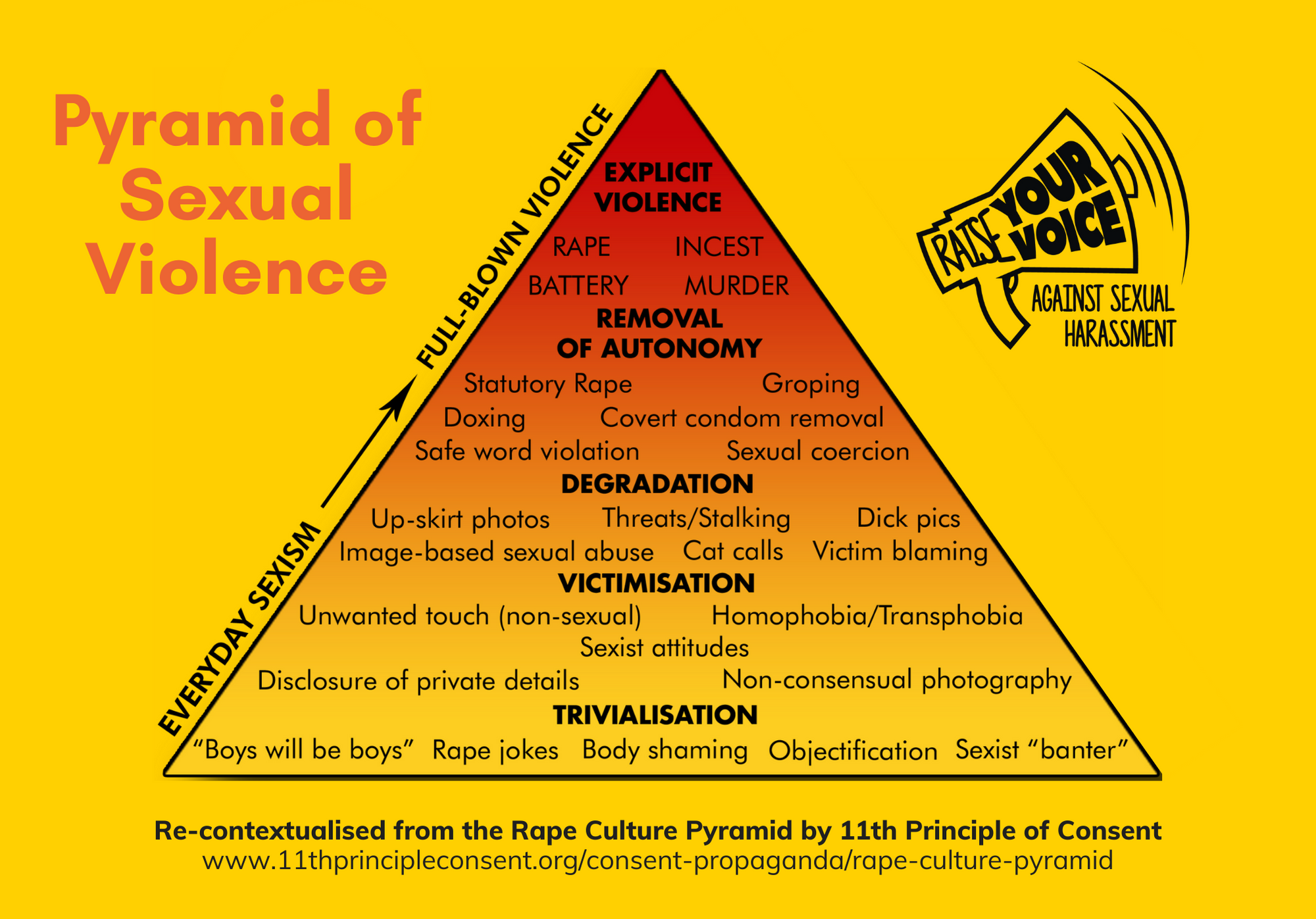
Sexual harassment is any kind of unwanted behaviour of a sexual nature that makes you feel humiliated or intimidated, or that creates a hostile environment. In this session, we explore how everyday sexism and sexual harassment is a root cause of sexual violence and abuse.
Consent
Consent is an agreement between people to engage in sexual activity. In this session, we explore the full definition of consent and what is sexual coercion.
Victim blaming
Victim blaming comes in many forms and can be subtle and unconscious. In this session, we explore examples of victim blaming in the media and myths about sexual harassment and violence.
Digital/online abuse
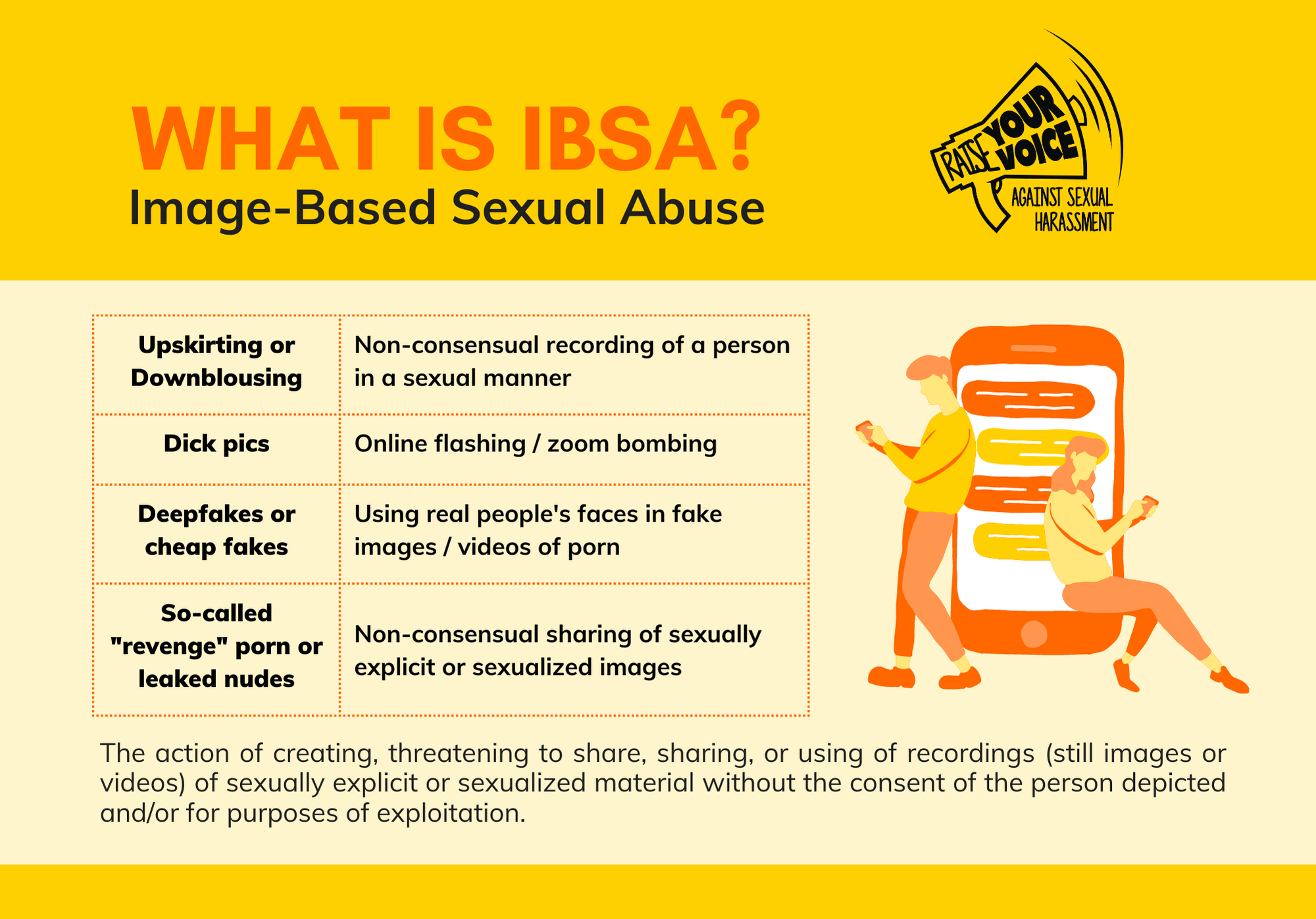
Hate speech incites violence. In this session, we explore the types of online abuse such as image-based sexual abuse and some ways to promote safety and the well-being of others.
Allyship
Allyship is an opportunity to grow and learn about ourselves, whilst building confidence in others. In this session, we explore allyship as well as the important role men and boys can play in ending sexual harassment and violence.
Bystander interventions
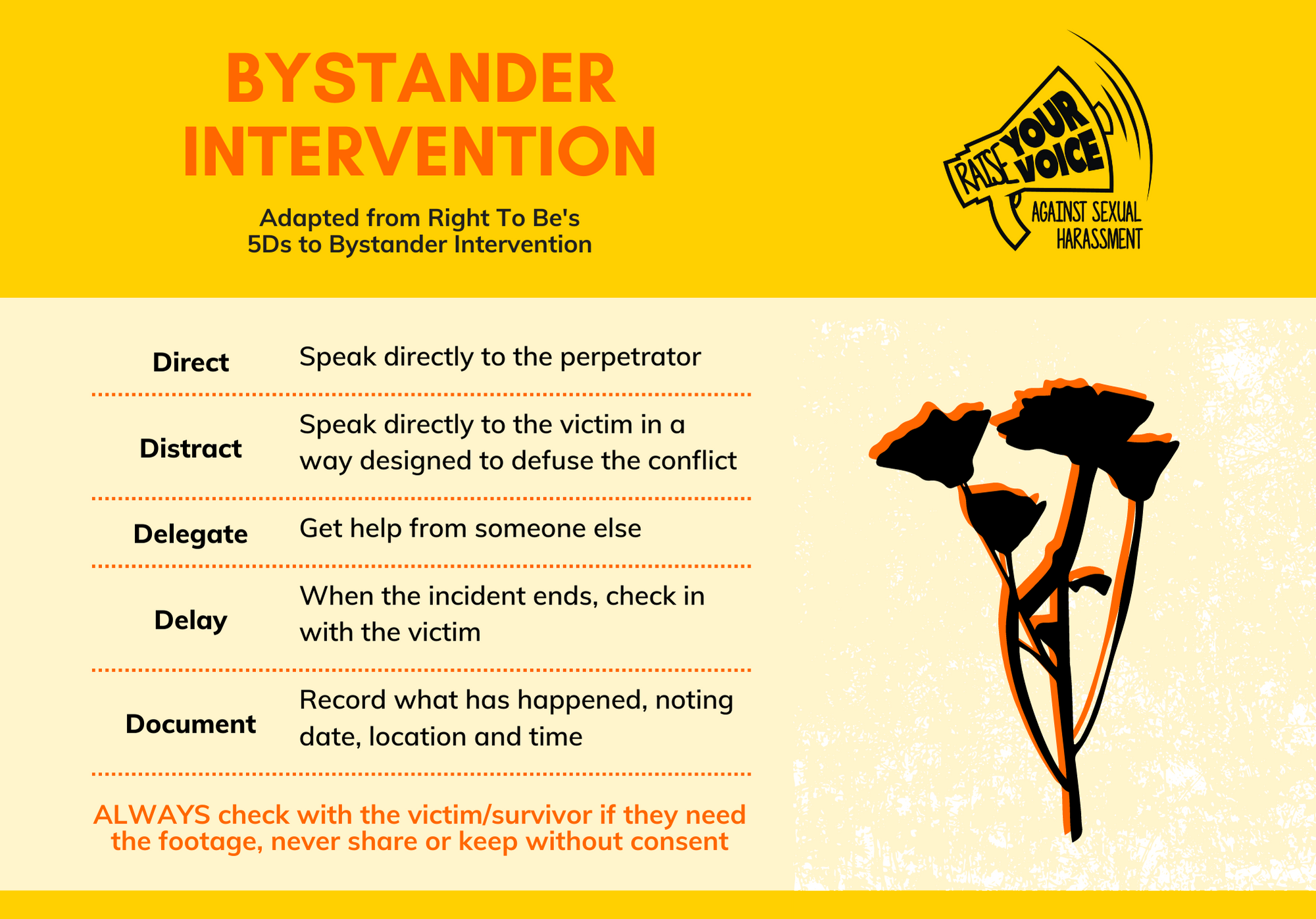
When it comes to intervening, many people report that they do not know what to do or that they are afraid of making a situation worse in addition to other reasons. In this session, we learn 5 ways to intervene safely and explore case study examples.
Misogyny
Misogyny is a form of prejudice and discrimination characterized by contempt, hatred, or ingrained distrust toward women. It manifests in cultural attitudes, institutional practices, and individual behaviours that devalue, objectify, or marginalize women and girls. In this session, we explore what misogyny is, as well as exploring toxic masculinity and more positive forms of masculinity. Participants also get to practice identifying the misogynistic idea or belief behind certain practices, and we explore together what we can do to challenge misogyny in society.

Sarah Stack, RYV Coordinator at WRDA, and Helen Crickard, Reclaim the Agenda Coordinator.